Crusher run calculator for Idaho
A pavement-firm base layer, figured for its final packed thickness instead of an estimate of loose material.
Enter your project dimensions
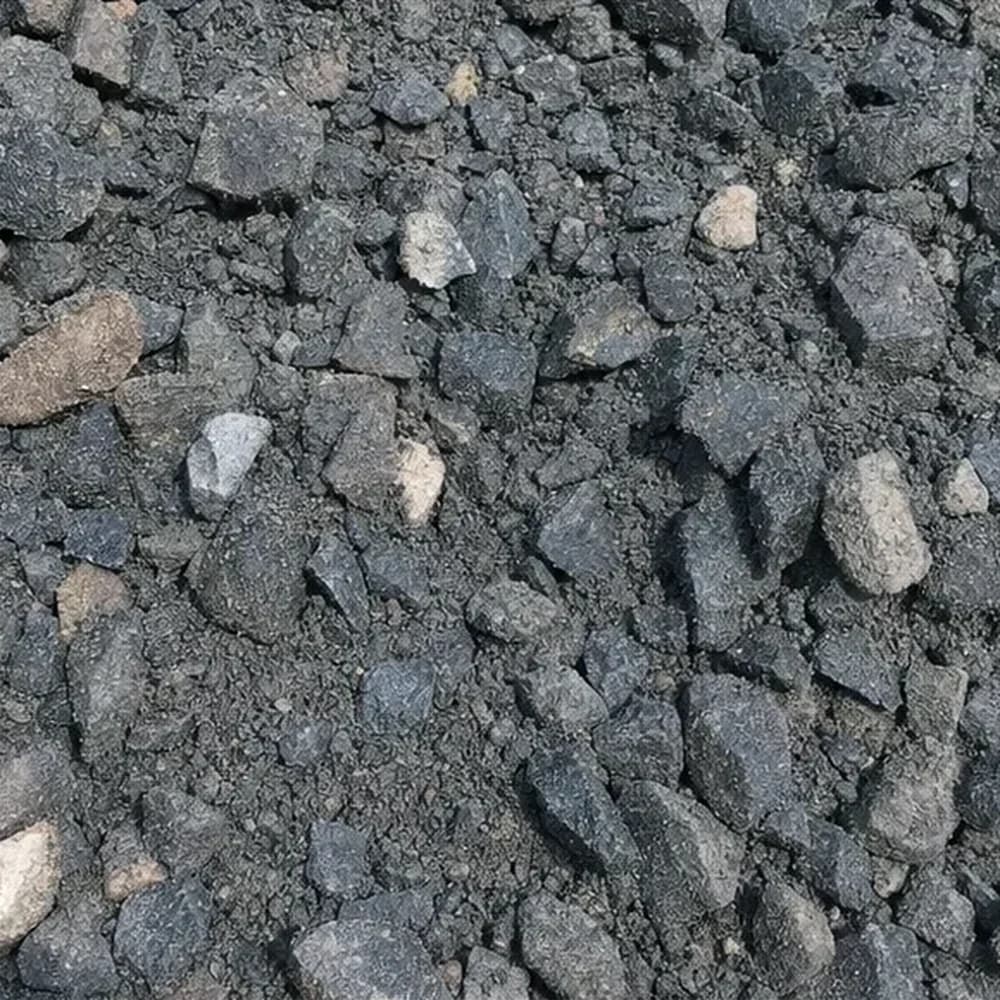
In the truck, crusher run sits 10-15% looser than it will after compaction. Ordering only for the measured depth can leave the finished base half an inch short, so this calculator has the +10% allowance turned on. In Idaho, it may be listed as Pit Run, bank run, unprocessed gravel, or 2 inch minus on some tickets. These names describe crushed stone that retains its fines, about 3,000 lb per cubic yard, for a tightly packed surface that tires do not easily push aside.
Calculating for compacted depth
- In feet, find the area: multiply lane length by width, or measure each side of the pad.
- Choose the finished packed thickness: 4 inches for paths and pavers, 4-6 for driveways, and 6-8 for trucks.
- Convert cubic feet to yards by dividing by 27, then multiply yards by 1.5 for tons. Keep the +10% selected because specifications refer to rolled depth.
Per-ton coverage
| Compacted depth | 1 cubic yard covers | 1 ton covers |
|---|---|---|
| 2 inches | 162 sq ft | ≈ 108 sq ft |
| 4 inches | 81 sq ft | ≈ 54 sq ft |
| 6 inches | 54 sq ft | ≈ 36 sq ft |
| 8 inches | 41 sq ft | ≈ 27 sq ft |
Uses and limits
- Driveway base calls for 4-6 inches once packed, topped with 2-3 inches of #57 or driveway gravel for the driving layer.
- Budget rural lanes can use crusher run alone for a drivable surface. Plan for dust in summer and regrading every 2-4 years.
- For paver or slab bases, place 4 inches in 2-inch layers and compact each one. The Paver Base Calculator covers the entire paver assembly.
- Use 4 inches for shed and hot-tub pads after stripping the ground, or 6 where the soil is soft.
- Keep it out of a French drain. Its binding fines retain water, while drainage requires clean #57 or drain rock.
Example: a 20 x 10 parking pad
For two hundred square feet at 4 inches after packing: 200 x 0.333 = 67 cubic feet = 2.5 cubic yards, or 3.7 tons. With the allowance, order 4 tons. Put down half the material and compact it, then place and compact the remainder. Two 2-inch layers last longer than a single 4-inch placement. Renting a plate compactor for the afternoon can cost less than an early pothole repair. Skipped compaction can show up as ruts by the second delivery.
Delivery information
- Bring in the base material and surface stone together to keep the project moving, with free delivery either way.
- Have the load tipped at the far end, then work back toward the pile. On a large pad, spreading downhill can save a full day.
- Lightly mist each layer before packing it. Damp crusher run binds noticeably tighter than dry material.
- Save a wheelbarrow-load for later touchups. This is the material used for pothole patching, and a small reserve is useful when repairs come up.
Pricing details
Crusher run is produced during crushing, not washed and sorted like clean stone. Ordering extra helps avoid another trip: the +10% allowance on a 4-ton order costs a few dollars and can prevent a separate half-ton delivery. Check the Crusher Run product page for the per-ton price, look at Road Base too, and get both driveway layers in one free delivery.
Crusher run, Pit Run, bank run, and unprocessed gravel: common questions
How much crusher run is required for a driveway?
What is the weight of a yard of crusher run?
How do crusher run and gravel differ?
Are crush and run and crusher run identical?
Can crusher run serve as a finished surface?
How much does crusher run shrink during compaction?
More calculators
Base tonnage is figured out.
Crusher run sold by the ton with free delivery.